
When Ear-Tipped Cats Are Removed: What Happened at Adobe Acres Elementary School Matters
Community cats and TNR deserve decisions based on humane practice, law, and what works. In a recent Albuquerque Area Pet Connection Facebook post, concerns were raised about community cats at Adobe Acres Elementary School, an Albuquerque Public Schools campus in the South Valley. These cats had already been through TNR with Street Cat Hub and were identifiable by their ear tips. According to the information shared in the post, the cats were later trapped and removed from the school property under a district work order.
This is why the difference between removal and Trap-Neuter-Return matters.

What Bernalillo County Law Says
Adobe Acres is in unincorporated Bernalillo County, so the Bernalillo County Animal Care Services Ordinance—not Albuquerque’s HEART Ordinance—is the controlling local ordinance.
Bernalillo County Code §6-45 states that abandoning an animal is unlawful. It specifically says abandonment does not apply to the trap, neuter and return of feral cats and that people or organizations managing unowned cats through TNR are not considered their owners or keepers.
That protection matters, but so does the word return. Street Cat Hub sterilizes, vaccinates, ear-tips and returns community cats to the area where they live. Removing already sterilized cats and releasing them somewhere else is not the same process.
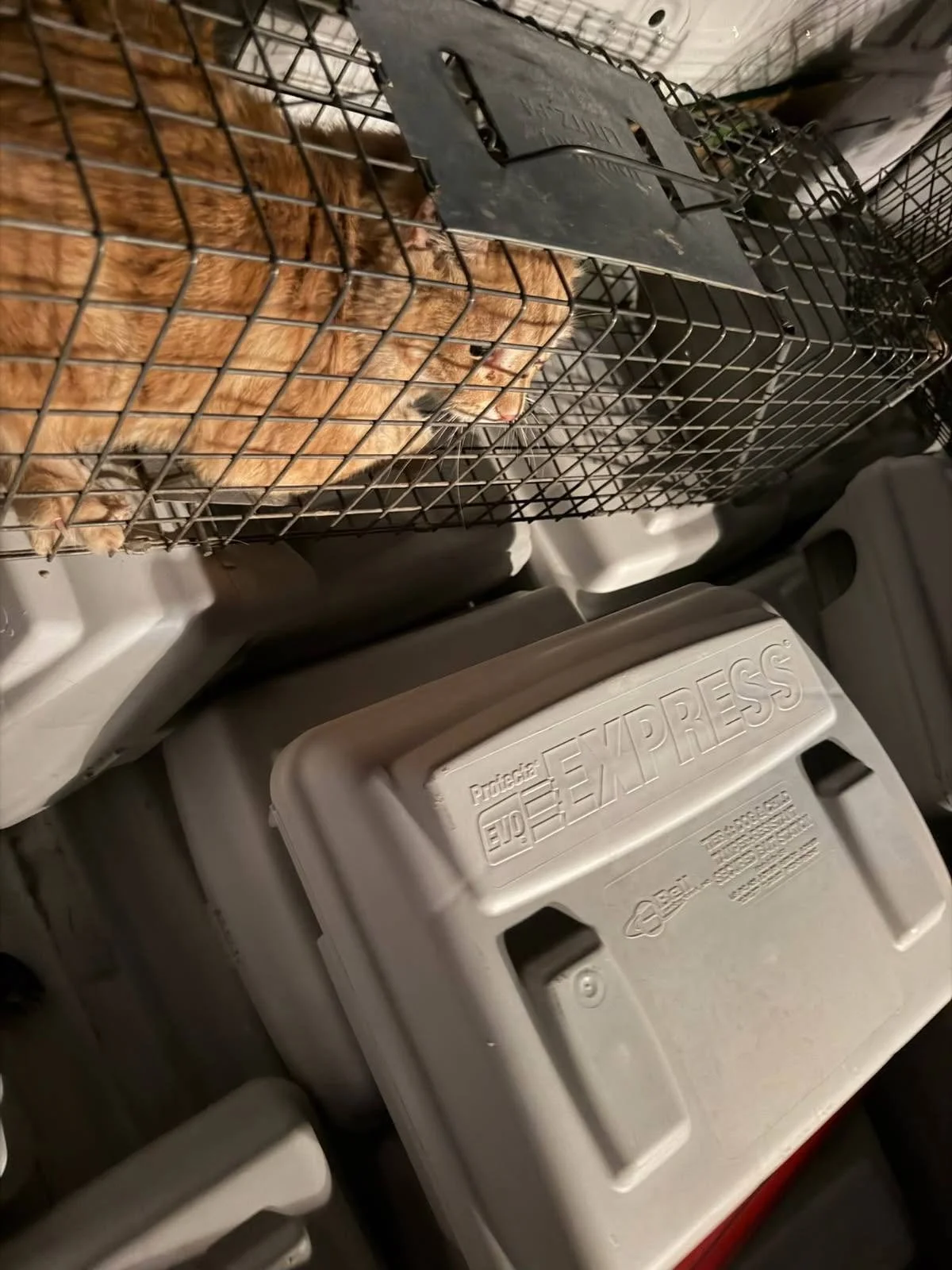
Bernalillo County §6-58 also prohibits conduct that harms an animal or endangers its well-being. New Mexico’s cruelty statute, NMSA §30-18-1, includes abandoning or failing to provide necessary sustenance to an animal under a person’s custody or control.
These laws do not allow us to declare from the information currently available that a crime occurred. They do raise serious questions about where the cats were taken, how they were handled and what happened after they were removed.
Albuquerque’s HEART Ordinance does not control this property, but it provides useful local context. HEART identifies prevention of cruelty, suffering and abandonment as public policy and treats releasing an animal where it has little chance of finding food, water and shelter as cruelty.
Why Removal Can Make Things Worse
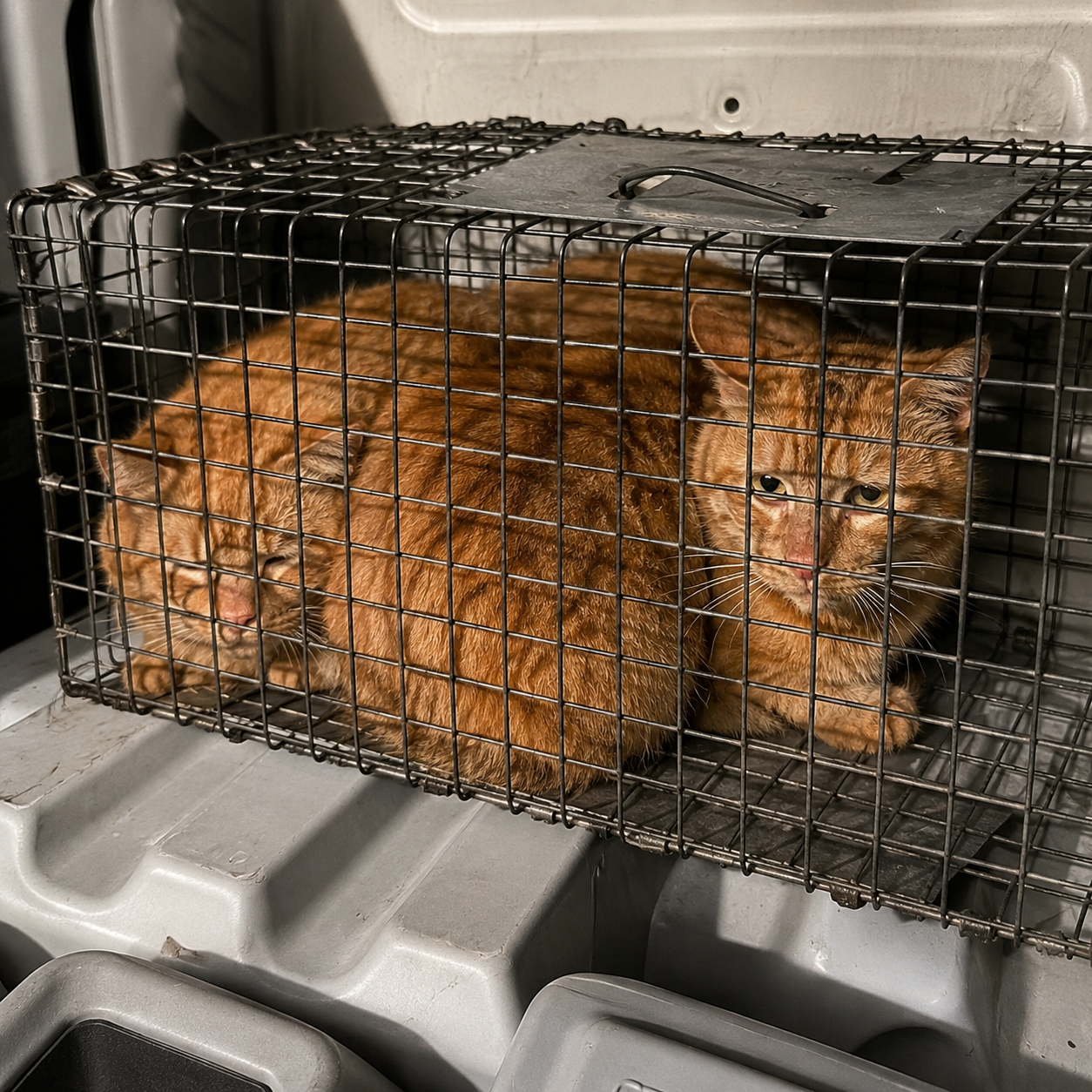
Removing established cats can create the vacuum effect. When cats disappear but food, shelter and territory remain, intact cats from nearby areas can move in. Cats left behind may continue breeding. Soon, the community can have new cats occupying the same space, except those cats may be unsterilized and unvaccinated.
Albuquerque has already seen what a different approach can accomplish. A peer-reviewed study of targeted TNR and return-to-field found that feline euthanasia at Albuquerque Animal Welfare fell 84.1% and feline intake fell 37.6% during the three-year community cat program.
Feeding Bans Do Not Solve the Problem
Feeding bans sound simple. They are not.
The ASPCA states that feeding bans are difficult to enforce and ineffective at reducing community cat populations. Alley Cat Allies reports that bans can cause cats to roam farther, scavenge through trash, become more visible and interfere with organized TNR.
Caregivers may begin feeding secretly and become less willing to participate in trapping and sterilization. For cats accustomed to dependable feeding, suddenly removing that food can also cause suffering.
Managed feeding is different. Scheduled feeding helps caregivers monitor cats, keep feeding areas clean, identify newcomers, spot illness and coordinate trapping.
We Should Have Done Better
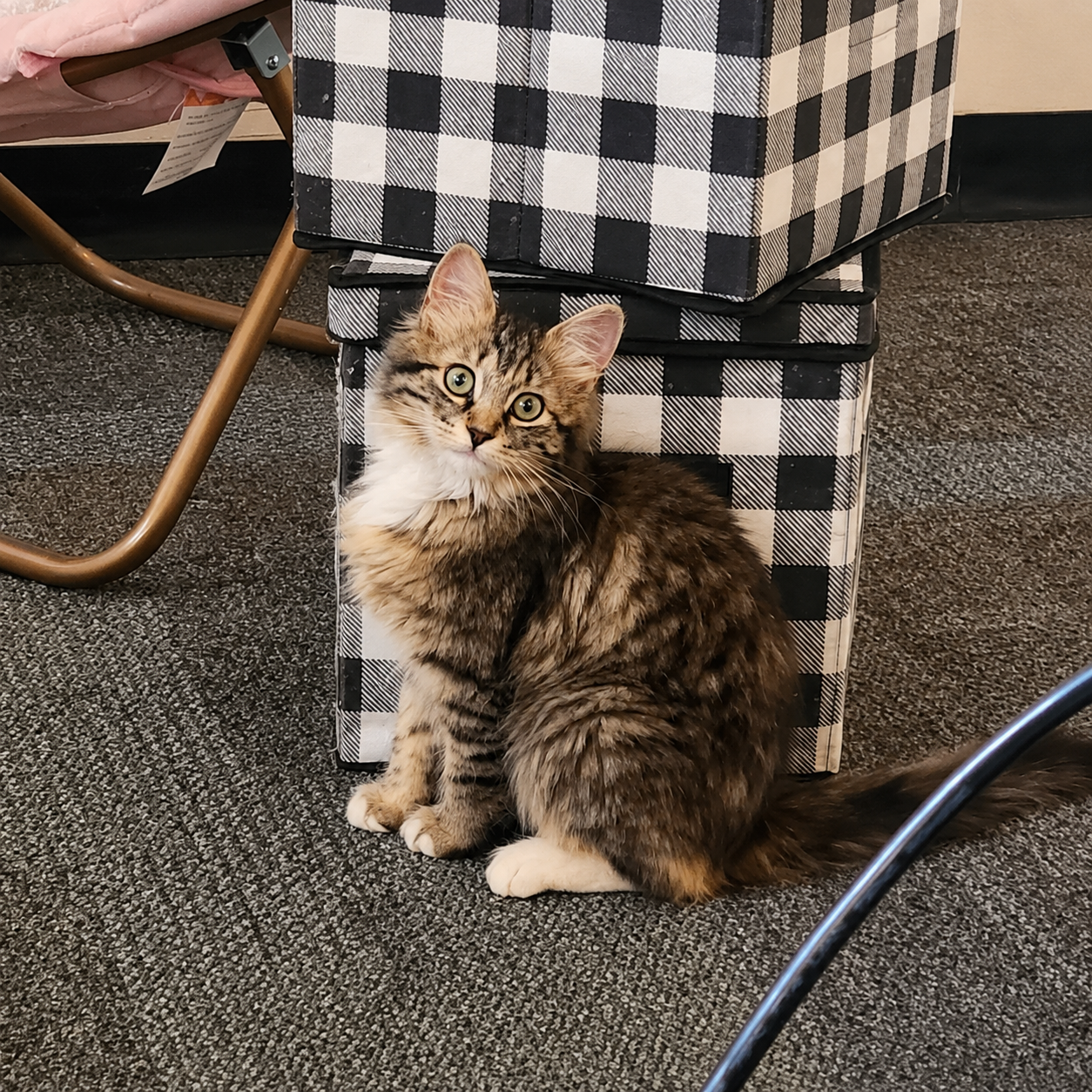
Street Cat Hub believes the decision to remove these already ear-tipped cats from Adobe Acres Elementary School was morally wrong. Humane options existed. The cats had already been sterilized, vaccinated and returned, and their population was being managed.
The decision may also raise legal questions under Bernalillo County and New Mexico law. Those questions deserve answers.
As we wrote in “New Mexico Can Build Stronger TNR Laws for Community Cats,” New Mexico still needs clearer statewide protection for community cats, caregivers and TNR programs. Incidents like Adobe Acres show exactly why.
Your donation helps Street Cat Hub provide free TNR, vaccines, trapping support and community education. Please help us keep humane solutions available for the next school, neighborhood and colony that needs help.
Sources
Albuquerque Area Pet Connection Facebook post regarding Adobe Acres Elementary School; Bernalillo County Animal Care Services Ordinance, §§6-45 and 6-58; NMSA 1978 §30-18-1; City of Albuquerque HEART Ordinance; ASPCA Position Statement on Community Cats; Alley Cat Allies resources on feeding bans and the vacuum effect; The Impact of an Integrated Program of Return-to-Field and Targeted Trap-Neuter-Return on Feline Intake and Euthanasia at a Municipal Animal Shelter; Street Cat Hub, “New Mexico Can Build Stronger TNR Laws for Community Cats.”